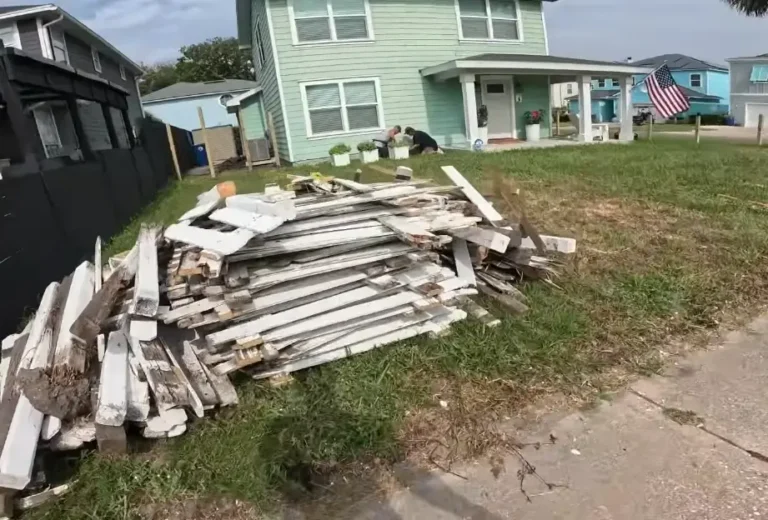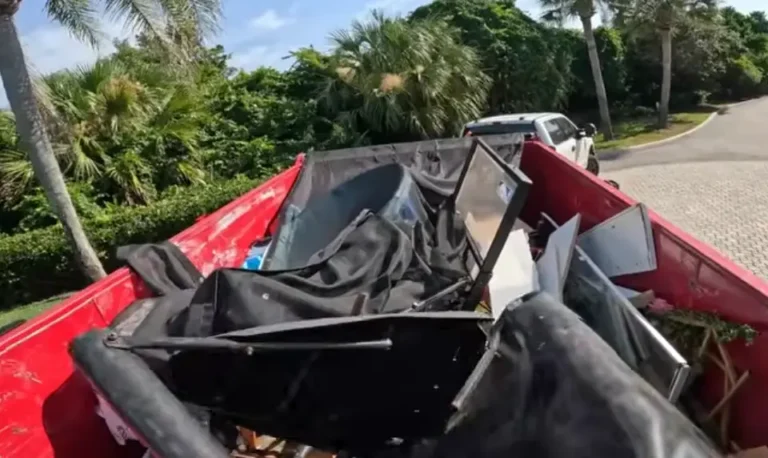

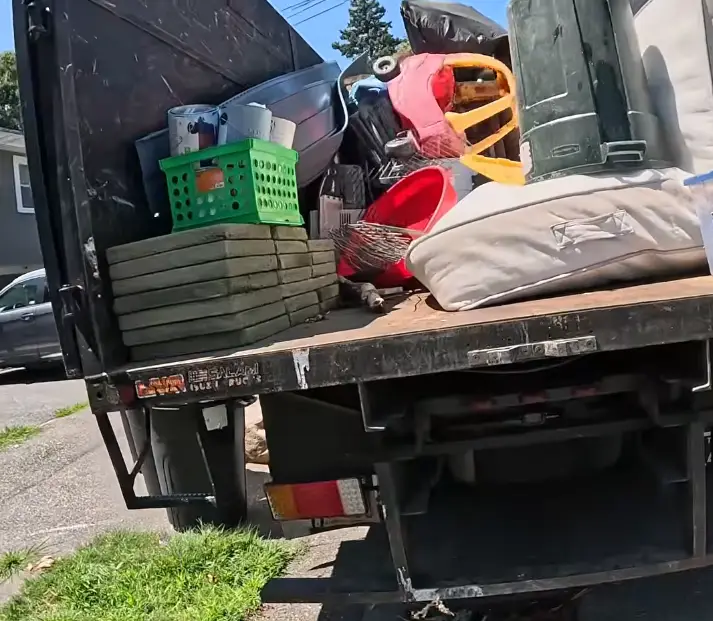
Here is something nobody tells you when you book your first junk removal appointment: most of the time that feels wasted on removal day is not the crew’s fault. It is the 15 minutes of standing in a room pointing at things, trying to remember what you decided to keep three days ago.
This guide fixes that. It covers exactly what to do before the crew from junk removal in Asheville shows up, what Asheville homeowners specifically need to think about that guides from other cities skip, and what mistakes turn a 45-minute job into a two-hour one. By the end, you will know what to do the week before, the night before, and the morning of your appointment.
One thing worth saying upfront: you do not need to do everything in this guide to have a good appointment. The crew can work with a messy garage or an unsorted attic. But every step you take in advance translates directly to a faster job, a lower price, and no regrets about that end table you accidentally sent away.
Why Preparation Matters More in Asheville Than in Most Cities
Most preparation guides for junk removal are written for flat suburban homes with straight driveways and easy garage access. Asheville is not that market.
The homes in Kenilworth along Forest Hill Drive have tight exterior basement doors and low-clearance attics. The 1920s Victorian houses in Montford have original stairwells that narrow at the landing. Downtown loft apartments on Lexington Avenue have no service elevators and parking restrictions that create a two-minute loading window before the meter runs out. West Asheville bungalows back up to steep lots where a truck cannot always park close to the house.
Each of these situations adds time and physical difficulty to a removal job. Preparation that accounts for Asheville’s specific terrain is more valuable than generic advice to “clear a path.”
Here is what Jaiden Warner, who runs Asheville Junk Removal out of 55 Shiloh Road, says about the appointments that go smoothest: “The ones where the customer spent 30 minutes the night before making three decisions – what stays, what goes, and where the crew parks – those run twice as fast as jobs where we are making those decisions together in real time.”
Thirty minutes of your time the night before. That is the whole secret.
Step One: Walk the Property and Make Your List (Do This Three to Five Days Before)
Start further out than you think you need to. Most people forget about the shed, the crawl space under the deck, the box of electronics in the back bedroom closet, and the broken patio furniture that has been sitting behind the garage since 2021.
Walk every space on the property. Not mentally. Physically. Bring your phone and use the camera to photograph every pile, every closet, every corner you plan to clear. This does two things. It gives you a complete inventory rather than an approximate one. And it gives you photos to send when you confirm your appointment, which in Asheville specifically can mean the difference between an accurate quote and one that changes when the crew arrives.
The camera does something else that is easy to underestimate. When you take a photo of an item, you make a decision about it. That decision does not have to be revisited on removal day. Three days of mental processing time is far better than three seconds of hesitation in front of a crew that is waiting.
The items most often forgotten in Asheville homes during this walk:
Attic insulation and old fixtures from renovation projects. If your attic has items from before your current ownership, check whether any of it qualifies as hazardous material. Old vermiculite insulation from pre-1990 homes, for example, may contain asbestos and cannot be handled by a standard junk removal crew. The appliance removal page covers regulated items in more detail.
Electronics stored in closets and bedrooms. North Carolina bans televisions, computers, and monitors from landfill disposal under NC General Statutes 130A-309.130 through 130A-309.142. A crew that does not know about the TV in the back bedroom cannot plan to route it to a certified e-waste facility. Identifying electronics during your walk means they get handled correctly without slowing down the main job.
Items in detached structures. Garages, sheds, carports, and outbuildings in West Asheville and South Asheville often hold items the main house tour completely misses. Walk them separately.
Outdoor furniture and yard debris. Patio sets, broken grills, old planters, and yard equipment sitting behind the house are easy to overlook during an interior-focused walk. If yard debris is part of your job, check the yard waste pickup page for specific rules on rootballs, brush, and what the city’s program covers before deciding what the crew handles.
Step Two: Make the Three Decisions (This Is the Only Real Work You Have to Do)
Every junk removal preparation comes down to three decisions. Make them before the crew arrives, not during.
Decision one: What is going and what is staying.
This sounds obvious but is consistently the biggest source of slowdowns on removal day. The crew cannot make this decision for you. They can advise, but anything that requires you to deliberate in the moment adds time that you are paying for.
The most practical method: use colored tape or sticky notes. Green means go. Red means stay. Blue means you are not sure and want the crew to set it aside. The crew members at Asheville Junk Removal have walked through hundreds of Asheville homes, including estate cleanouts in Montford where families spent four hours deciding whether to keep a grandmother’s collection of decorative plates. Two rolls of colored tape and one evening prevent that.
Here is what nobody in the generic guides will say: if you are genuinely unsure whether to keep something, you probably do not need it. The research on this is clear. The Clutter Authority, which analyzed decision patterns across thousands of cleanouts, found that homeowners who delayed decisions on ambivalent items kept fewer than 20% of them on a second look. The hesitation is rarely about the item. It is about the feeling of finality.
Decision two: Where the crew should and should not go.
Some rooms or spaces in your home should be off limits during removal. A child’s room where items are not being cleared. A home office with sensitive documents on the desk. A garage section where tools you use regularly are stored next to items being removed.
Tell the crew this before they start. A verbal walkthrough of the property at the beginning of the appointment, lasting two to three minutes, prevents more problems than any amount of labeling.
Decision three: What you want donated versus disposed of.
Habitat for Humanity ReStore at 31 Meadow Road in Asheville accepts furniture, appliances, and building materials in good condition, open Tuesday through Saturday. Goodwill on Swannanoa Avenue takes clothing, small appliances, and household goods. If you want specific items to go to a specific destination, tell the crew before they load. Once something is on the truck mixed with other items, it is going to the landfill.
The estate cleanout page has more detail on how sorting works during larger jobs where donation and disposal decisions are more complex.
Step Three: Handle the Hazardous Items Separately (Non-Negotiable)
This section is not optional and it is not a formality. Standard junk removal crews cannot legally transport certain materials in Buncombe County, and if those items are mixed in with a load, the crew will either have to sort them out on-site (slowing the job significantly) or decline to take them (leaving you with a problem you thought was solved).
Items that cannot go in a standard junk removal load in Asheville:
Paint and stain. Wet paint, liquid stain, and oil-based paint products cannot go in a standard removal load. Dried latex paint cans are often accepted. If in doubt, leave paint cans separate and ask the crew directly before they start loading. Buncombe County runs Household Hazardous Waste collection events throughout the year for paint and chemicals.
Propane tanks and flammable fuels. Any tank with residual fuel, any gasoline container, and any flammable liquid must be separate. Even empty propane tanks that have not been fully purged present a transport risk.
Batteries. Car batteries, lithium-ion batteries from power tools, and old lead-acid batteries go to AutoZone or O’Reilly Auto Parts on Tunnel Road for free recycling. They cannot go in the removal truck.
Chemicals, pesticides, and fertilizers. Same Buncombe County HHW event rule applies. Call (828) 250-5460 for the current schedule.
Asbestos-containing materials. Older homes in Kenilworth and Montford built before 1980 sometimes contain asbestos in floor tiles, popcorn ceilings, or pipe insulation. If you suspect asbestos, have the material tested before your appointment. An asbestos abatement contractor handles this, not a junk removal crew.
Medical sharps and equipment. If you are clearing a home where a family member received medical care, separate sharps containers, unused medications, and medical equipment from general junk before the appointment.
The practical rule: if you are not sure whether something is hazardous, put it in a separate pile near the door and ask the crew before they start. Five minutes of sorting upfront beats discovering a problem mid-job.
Step Four: Solve the Asheville-Specific Access Problems the Night Before
This is the section most guides skip. In Asheville, access is not a generic consideration. It is a specific operational variable that changes the job.
For homes in Montford, Kenilworth, and North Asheville: Older homes with narrow stairwells and tight doorways need one additional preparation step. Walk the path that large items need to travel. If a couch has to go around a landing and through a 28-inch doorway, the crew may need to disassemble it. Identify those situations the night before and note them when you confirm your appointment.
For Downtown Asheville apartments: Loading zones on Broadway and Biltmore Avenue have time restrictions. A crew that arrives at 9 a.m. on a Tuesday has a different parking window than one arriving at 11 a.m. on a Saturday. When you confirm your appointment, tell the crew your building address and your floor. Ask them how they typically handle access in downtown buildings. A crew that has done this before will have a plan. One that has not will be improvising.
For West Asheville bungalows and steep lots: If your driveway is steep or narrow, can the truck park in the street in front of the house? Is there a neighbor’s driveway nearby that gives better access? These are worth solving the night before rather than on the morning of the job when the truck is already there.
For River Arts District studios and commercial spaces: Do you have a loading dock? A freight entrance on Clingman Avenue or Riverside Drive? Is the freight entrance accessible at your appointment time, or does another tenant have priority? Commercial access questions are worth a five-minute call the night before. The commercial junk removal page covers commercial-specific scheduling in more detail.
Step Five: The Morning of the Appointment – What to Do in the Two Hours Before the Crew Arrives
You have done the real work. This morning checklist takes 20 to 30 minutes and makes the difference between a smooth job and a chaotic one.
Move vehicles out of the driveway or from in front of the house. The removal truck needs to park as close to the entrance as possible. A car in the driveway adds 15 to 20 trips of extra distance per item removed. In West Asheville especially, where driveway depth is limited, moving the car the night before matters.
Secure pets. This is not negotiable and not about the crew’s preferences. It is about safety. A crew carrying a 200-pound appliance down a narrow Montford stairwell cannot safely manage a dog at the same time. Secure pets in a room that is not being cleared, or arrange for someone to take them for the duration of the appointment.
Clear the pathway from the items to the exit. You do not need to move the items. But rugs, small furniture pieces, children’s toys, and anything on the staircase between the items and the door should be out of the path. Junkluggers, which analyzed thousands of pickups across its network, found that cleared access paths reduce job time by 15 to 25%, which directly affects pricing on volume-based jobs.
Do one final check of the items you marked for keeping. Walk the go-pile one more time. Not because you should second-guess your decisions, but because it is far easier to pull an item off the pile before the truck is loaded than to stop work mid-job or call after the fact.
Check drawers, pockets, and storage bins in items being removed. The research from Jiffy Junk, which has completed over 350,000 pickup jobs nationally, confirmed that customers find cash, jewelry, important documents, and family photos inside furniture being removed more often than you would expect. Check every drawer in every dresser. Check coat pockets in old jackets. Check the inside of every box.
Have the confirmation details accessible. Your confirmation number, the arrival window, and the crew’s contact number should be on your phone before they arrive. If the crew texts you with an ETA, respond promptly. A crew that cannot reach you on arrival may wait and then continue to the next job.
What the Crew Does That You Should Not Try to Do
Here is a counterintuitive piece of advice: do not pre-move heavy items.
The crew from Asheville Junk Removal carries items from wherever they are in your home. That is what you are paying for. A customer in a Biltmore Village cottage who moved an old refrigerator halfway across the kitchen the night before to “help” the crew did not save anyone time. She strained her back and the crew still had to carry it the rest of the way. The crew is equipped and trained for heavy carries. You are not being asked to do any lifting.
Do not break apart furniture unless you have been told it needs to come apart for access. A sectional sofa that comes apart at the seams is sometimes faster to remove in pieces, but that call is the crew’s to make based on the actual doorway dimensions on arrival. Pre-breaking furniture without checking first sometimes creates more problems than it solves.
Do not bag small items unless you want them in a bag. Loose small items actually load more efficiently in many cases because the crew can pack the truck more densely. A bag creates a fixed shape that sometimes wastes space. If you want small items bagged for cleanliness or organization, tell the crew, but do not bag things assuming it helps.
The Checklist – Print This or Screenshot It
Three to five days before: Walk every room, attic, basement, garage, and outdoor space. Photograph everything going. Identify electronics, appliances, and any potential hazardous materials. Contact the crew with photos for a confirmed quote.
Two days before: Make the three decisions: go versus stay, permitted versus restricted access, donation versus disposal. Use colored tape or notes. Set hazardous items aside in a separate pile.
Night before: Plan the access route. Move vehicles if possible. Identify any Asheville-specific access challenges (steep driveway, no elevator, narrow stairwell, downtown parking). Confirm your appointment details.
Morning of: Move vehicles. Secure pets. Clear pathways. Check drawers and pockets in items being removed. Review your confirmation details. Be available by phone during the arrival window.
What Happens After – And What to Do If Something Goes Wrong
Most jobs in Asheville are done in under two hours. A single-item pickup from a West Asheville bungalow runs 20 to 30 minutes. A full garage cleanout runs 60 to 90 minutes. An estate cleanout from a Montford Victorian takes half a day on average.
After the job, the crew leaves the space broom-clean. Usable items go to Habitat for Humanity ReStore at 31 Meadow Road or Goodwill on Swannanoa Avenue. Electronics go to certified e-waste facilities under NC law. The rest goes to the Buncombe County Landfill at 85 Panther Branch Road in Alexander, hauled under the county’s covered-load ordinance from July 2023.
If you realize something was taken that should not have been, call the crew immediately. This is very rare and the solution is simple: items that have not yet reached the donation center or landfill can be pulled. The crew logs what went where. The faster you call, the more options there are.
If an item you wanted to donate ended up in the general disposal pile, mention it on the confirmation call at the end of the job. A crew that made a sorting error will work to correct it.
One Last Thing Nobody Says in These Guides
Junk removal is not a service that requires you to be embarrassed about the state of your home. The crew from garbage pickup in Asheville has cleared estate homes where mail had not been opened in three years, garages where the door had not been open in a decade, and basements where every square foot was covered. There is nothing they have not seen.
The preparation in this guide is not about making your home look presentable. It is about saving you time and money and making sure nothing goes wrong. The crew is there to work, not to judge. That is worth saying plainly because more than a few customers in the GMB reviews mentioned that the no-judgment approach was something they specifically noticed and appreciated.
Asheville Junk Removal operates Monday through Saturday 8 a.m. to 6 p.m. from 55 Shiloh Road in Asheville. Call (877) 460-9961 or text photos of your job for a firm quote. Same-day appointments are available for calls placed before late morning.